About us
Welcome!
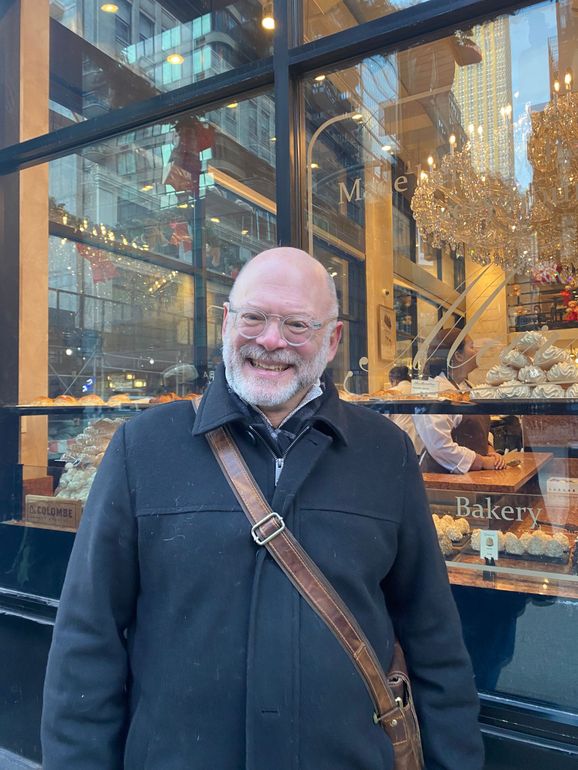
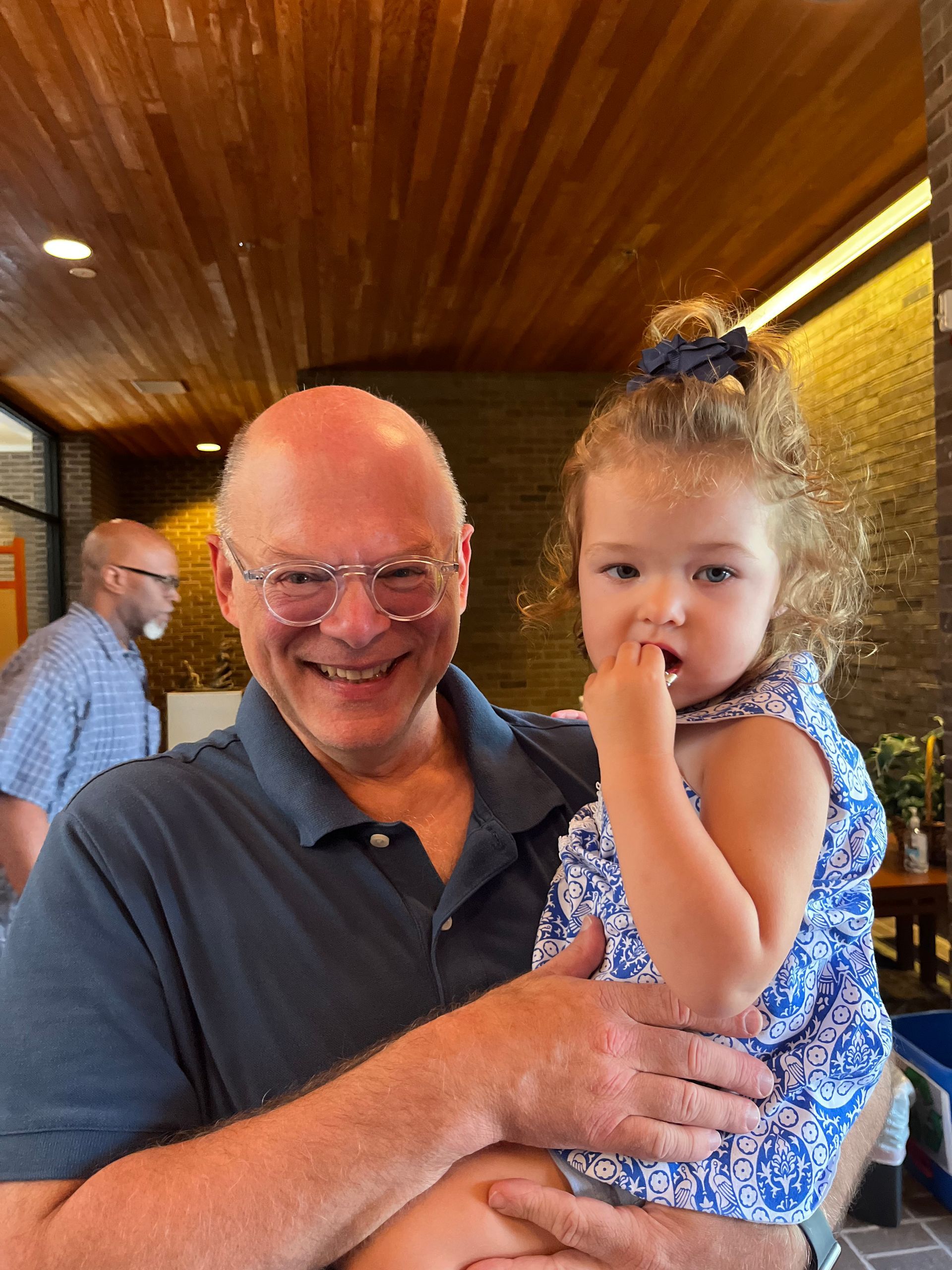
John Ballenger has served as pastor at Woodbook since May of 2003! In those years, he has persistently revisited Scripture and theology, always insisting on the relevance of Scripture at an experiential level. "All this has to matter to you as you live your daily life," he repeats. "It's not about what you say you believe; it's about how you live. And how you live is part of shaping reality as part of our ongoing co-creating with God." John approaches all matters of faith with an enthusiasm for re-thinking and re-claiming essential truths.
“At Woodbrook, we tell a story of grace and wonder, love and joy—a story of creative, transformative initiative. It’s the story of God and creation, of God and people. It’s an ongoing story of love being made real.” —John
Faith
We appreciate Marcus Borg's suggestion that our faith best represents our belief "in" God, not our belief "that" God .... Faith is a relational expression of trust more than it is a propositional affirmation of what did (or did not) happen at any given point in time.
Scripture
We affirm, celebrate, and value Scripture as the word of God,. We also acknowledge that words are meant to convey meaning--don't have intrinsic meaning, and that beyond the words awaits the Spirit of God still seeking to guide us into truth (John 16:13).
Community
Key to anyone's faith development is the experience of community in which an individual can profess their faith and ask to be held accountable to it (note the way that works. it's not about holding anyone else accountable to what you think is the right way to live ..., it's wanting to be held accountable yourself, because you have come to know, it's hard to hold yourself accountable!
Youth Ministry
Writing the Corinthians, Paul uses the metaphor of transitioning from milk to solid foods as part of a healthy development. Our youth ask the matter-of-fact, tough questions, and we honor their of interest in "Sunday School answers." As we provide a safe place for them to encourage each other in asking real questions, they remind us of our own need to keep growing. Kelly balances thoughtful conversation with lots of fun and love.
Children's Ministry
Children are wonderful living, laughing, running reminders of hope and possibility. They also remind us of our responsibility to leave them a world and a culture capable of sustaining their full potential and deepest dreams. As we try and lead our children in the way of God, they lead us into reminders of joy and wonder and discovery.
Our Leadership Team
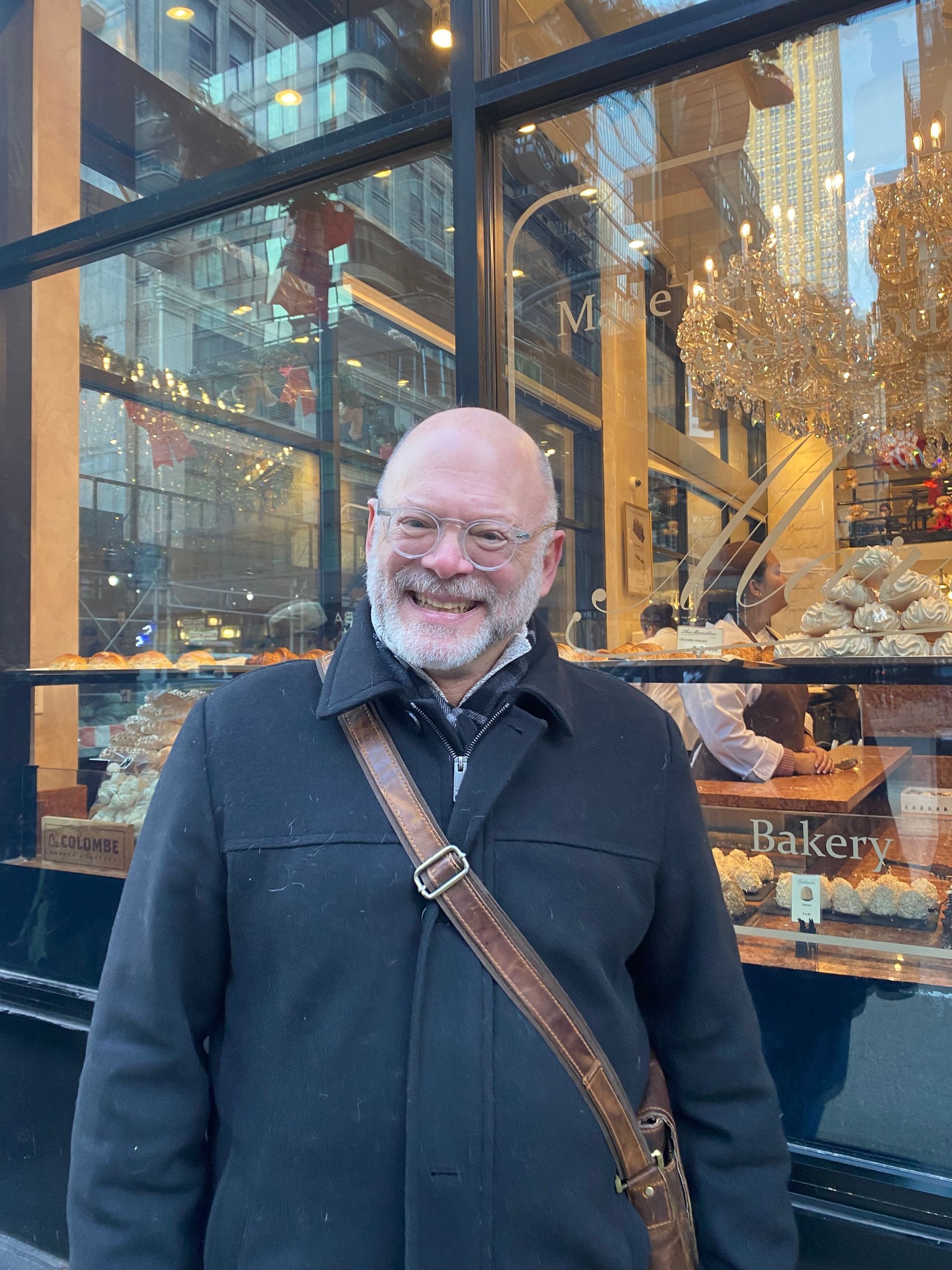
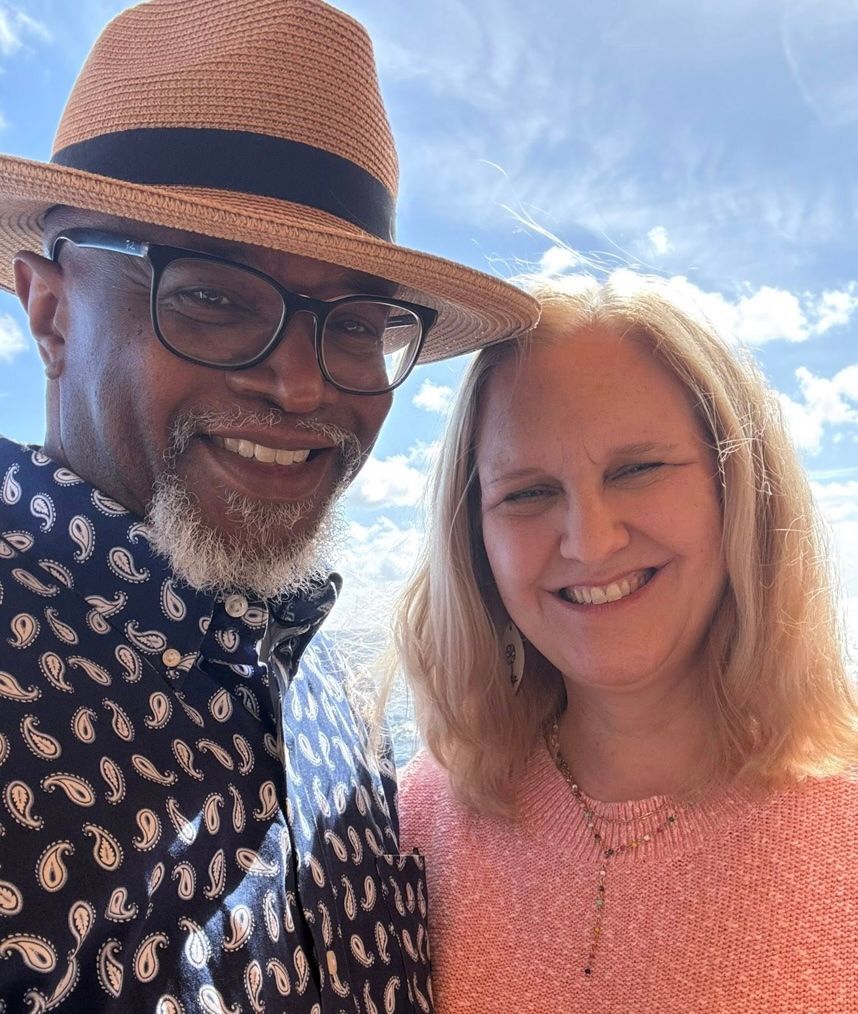
John
Pastor
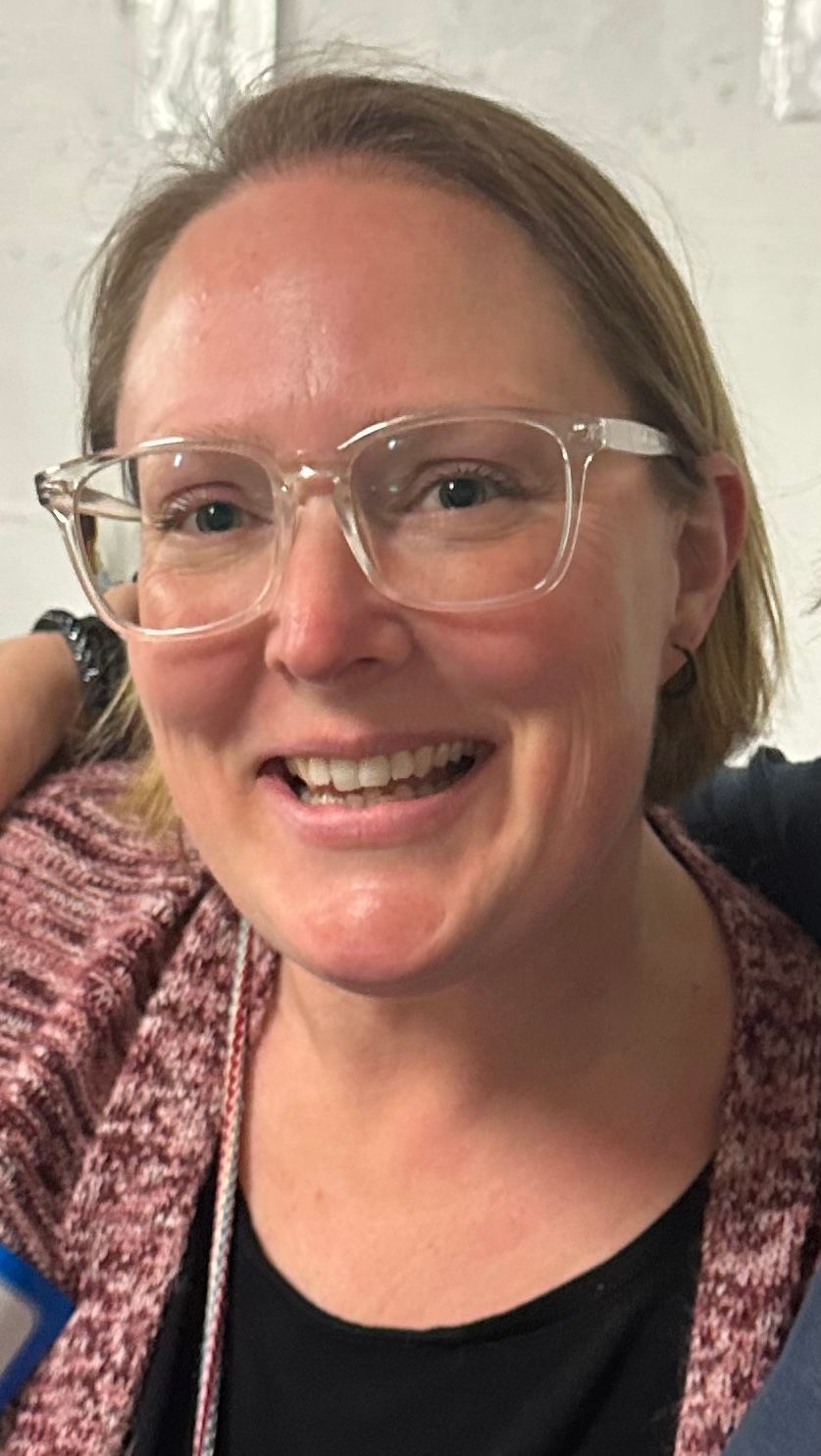
Kelly
Part-time Director of Youth Ministry
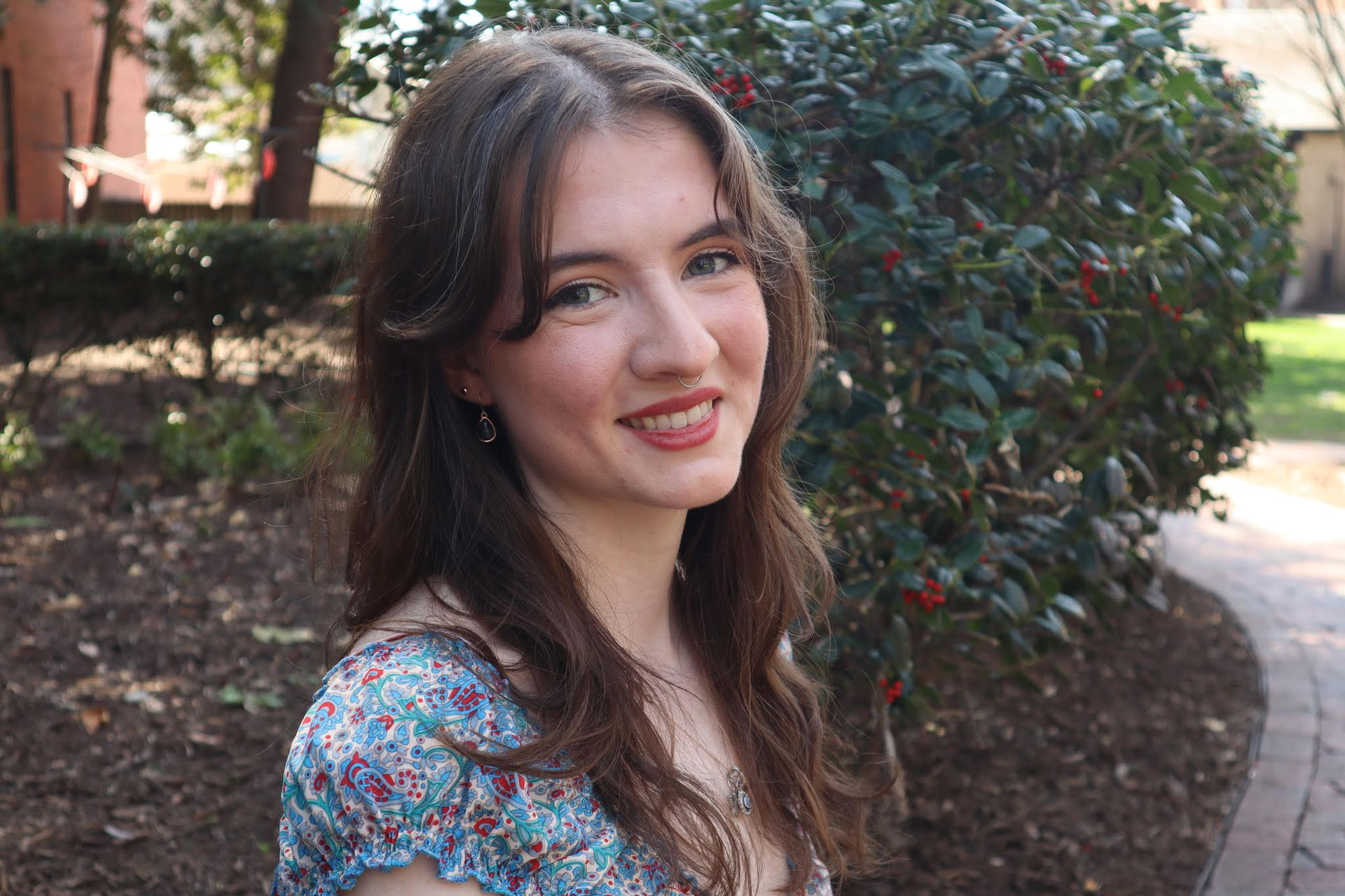
Olivia
Administrative Assistant
Our History
Woodbrook Baptist Church Historical Highlights
(Formerly Eutaw Place Baptist Church)
1859
Layman Hiram Woods offers a lot for a new church, but the Civil War postpones plans.
1867
A group from Seventh Baptist Church resumes planning.
1868
Ground is broken for the Eutaw Place Baptist Church in the “northern suburbs”. North Avenue, then known as Boundary Avenue, was the City-County line. The building was designed by Thomas U. Walter, the architect for the dome and wings of the United States Capital.
1871
133 members of the Seventh Baptist Church resolved “to separate in a friendly manner…for the purpose of forming a new church…(whose) name and style shall be the Eutaw Place Baptist Church”.
1871 -1871
Richard Fuller is called from the pastorate of the Seventh Baptist Church, serves as Pastor until his death. He was President of the Southern Baptist Convention from 1859 – 1863, and had preached the first Convention Sermon in 1846.
At various times during his ministry in South Carolina and Maryland, Fuller baptized James Petigru Boyce, the first president of the Southern Baptist Theological Seminary, Joshua Levering, co-founder of the Layman’s Missionary Movement, and Annie Armstrong, first corresponding secretary of the Woman’s Missionary Union.
1874
The Shiloh Baptist Church is organized by Eutaw Place Baptist Church. It later merged into Grace Baptist Church.
1877 -1882
Franklin Howard Kerfoot, Professor Elect of Ecclesiastical History at the Southern Baptist Theological Seminary, accepts the call as Pastor and serves until called to the Strong Place Baptist Church, Brooklyn, New York. He was later Secretary of the Home Mission Board.
1880
The Fuller Memorial Baptist Church is organized by the Eutaw Place Baptist Church. This congregation eventually merged with First Baptist Church. Its property was sold; the funds were turned over to the Church Extension Society and used to help start Middle River Baptist Church.
The Chinese Sunday School begins.
1882
The Immanuel Baptist Church is organized. It later merged with the Seventh Baptist Church, when it moved from its original location at Paca and Saratoga Streets to the Immanuel site, North Avenue and St. Paul Street. A group from Immanuel organized a mission which eventually was located on North Gay Street, North Milton Avenue, Frankford Avenue and Sinclair Lane, and Buck’s Schoolhouse Road.
1884 – 1894
Frank M. Ellis is called from the Tremont Temple Baptist Church of Boston. He serves as Pastor until called to the Washington Avenue Baptist Church, Brooklyn, New York. He was Vice-President of the Southern Baptist Convention and preached the Convention Sermon in 1888.
1888
Annie W. Armstrong, a lay member, leads in framing the constitution of the Woman’s Missionary Union and became its first Corresponding secretary. Her successors, Edith Crane (1907 – 1912) and Kathleen Mallory (1912 – 1948), were also members of the Eutaw Baptist Church.
1890
On September 28, Der Sang, the first Chinese member of Eutaw Place Baptist Church, is baptized.
1894
The North Avenue Baptist Church is organized by the Eutaw Place Baptist Church. It later changed its name to the McCormick Memorial Baptist Church. Still later the majority of its membership became a part of the University Baptist Church.
1895 – 1919
Julius W. Millard, one year after graduating from Southern Baptist Theological Seminary and four years after graduating from Wake Forest College, becames the fourth Pastor at the age of twenty-six. He served until called by the Ponce de Leon Baptist Church of Atlanta, Georgia.
1905 – 1913
Charles Hastings Dodd is called from the Peddie Memorial Baptist Church of Newark, New Jersey. He serves as Pastor until called by the Second Baptist Church, Germantown, Philadelphia, Pennsylvania.
1907
Individual communion cups are first used at Eutaw place Baptist Church.
1908 – 1911
Lay member Joshua Levering serves as President of the Southern Baptist Convention. He helps found the Layman’s Missionary Movement, forerunner of the Baptist Brotherhood.
1912
The Liberty Heights Baptist Church is organized by the Eutaw Place Baptist Church. It later merges into the First Baptist Church.
The Baltimore Sun reports that the Eutaw Place Baptist Church had set a national record by giving away $4.00 for outside causes for every $1.00 spent for church expenses (December 21, 1912).
1913
The Patterson Park Baptist Church is established by the Eutaw Place Baptist Church and constituted.
1914 – 1921
John Henry Strong leaves the faculty of Rochester Theological Seminary to become Pastor. When he left Eutaw Place, he rejoined the Rochester faculty.
1921
Lay member Joshua Levering and one-third of the active membership of the Eutaw Place Baptist Church go out to found the University Baptist Church. Samuel G. B. Cook, Eugene Levering and Joshua Levering pledges over $75,000.00 for its establishment. Joshua Levering says that they were not so much leaving the church as that the church was “sending them out as missionaries, as it were”.
1921 – 1935
O.C. S. Wallace is called as Pastor and serves until his retirement. He had previously been Chancellor of McMaster University in Canada. He serves later as Pastor Emeritus from his retirement in 1935 until his death in 1947.
1936 – 1970
W. Clyde Atkins, Assistant Pastor from 1930 to 1935, is called as Pastor, serves later as Pastor Emeritus from his retirement in 1970 until his death in 1984. The greatest period of attendance, activity and neighborhood ministry comes during his pastorate.
1969
The church relocates to Stevenson Lane in a building designed by Pietro Belluschi, then Dean of the School of Architecture of the Massachusetts Institute of Technology and Baltimore architect, Warren Peterson.
1970
John E. Roberts is called to Pastor from the faculty of Wake Forest University. He served as Assistant Pastor in the summer of 1959, and as Associate Pastor from 1960 – 1962.
City Temple Baptist Church purchases the building at Eutaw Place and Dolphin Street.
1972
Marjorie E. Allen retires as Secretary and Missionary. She had served in 1946 and from 1954 – 1972.
1973 - 1977
Miriam Ann Glover serves as Director of Christian Education.
1974
The church votes to open the office of Deacon to female as well as male adult, resident members.
1975
The first female Deacon, Marjorie E. Allen is elected.
1977 - 1980
David M. Huges is called to serve as Associate Pastor.
1981 - 1987
Douglas E. Murray is called to serve as Associate Pastor.
1986
Rae Cumbie and Christy Waddail begin the Children’s graded choir program.
1981 - 2021
Greg A. Cochran is called to serve as Minister of Christian Education.
1988
Weekly Early Education (WEE) opens
1988 - 1996
Linda M. Fowler is called to serve as the first Director of the WEE School.
1990
Sister church relationship established with Seventh Baptist Church in inner city Baltimore.
Sparks Baptist Church, a mission of Woodbrook Baptist Church, established in northern Baltimore County, with Ron Brown as Interim Pastor.
1991
Paul Arnold is called to serve as Pastor of Sparks Baptist Church. He serves until 1994 when the mission voted to disband.
1993
The congregation votes to enter the Together We Build program to raise funds for building a new sanctuary and additional educational and administrative space. The architectural firm of Ayers-Saint-Gross is engaged.
1993 - 1996
Glen A. Haynes is called to serve as Minister of Music and Worship.
1994
Christy Waddail begins the English for Speakers of Other Languages (ESOL) program.
John E Roberts is elected President of the Alliance of Baptists.
1995
October 22 ground is broken for the construction of the new sanctuary and for the renovation of the existing facilities, designed by Adam Gross, FAIA, and Glenn Neighbors, AIA of Baltimore-based Ayers Saint Gross Architects.
1996 – 1999
L. Sue Ritz is called to serve as Director of Weekday Early Education
1997
On September 21, the new sanctuary is dedicated.
1997 - 1998
Terry Yount is called to serve as Minister of Music and Worship.
1998 - present
Cantonese worship services begin under the leadership of William Chin.
1999 - 2006
Max Lyall is called to serve as Minister of Music and Worship.
2000 – 2001
Jennifer John is called to serve as Director of Weekday Early Education.
2001 – 2019
Dawn Baker is called to serve as Director of Weekday Early Education.
2001
John E. Roberts announces his retirement.
John Laney is called to serve as Interim Pastor while the pastor search committee looks for a new pastor—the first time the church has had a search since 1921 (both previous pastors, John Roberts and Clyde Atkins having served as associate pastors before being called as pastors)!
2003 - present
John Ballenger is called to serve as Pastor from Candler Park Baptist Church in Atlanta, GA.
2005 - 2016
Heike Burghart Rice is called to serve as Minister of Music.
2007
New organizational structure is adopted moving from committees to ministries.
2006 - 2007
John Ballenger and John E. Roberts serve as co-chairs of the Alliance of Baptists’ Annual Convocation Committee.
2016 - 2021
Laura Garvin-Asher is called to serve as Music Director.
2020 - present
Angela Peterson is called to serve as Director of Weekday Early Education
1871 - present
Not particular to any specific time, but consistent throughout all time, worship, Bible study, prayer, weddings and baptisms, and funerals, child and family dedications, meals prepared and shared, conversations, hugs, tears, laughter, wonder, and joy—faith, hope, and love.
We celebrate 155 years (and counting!) of being community, of being the children of God in these places.